
Surviving the Terrible Twos: Mastering the 2Rs Solution

Updated: Jan 9, 2025
Like many of you, I’m a mom. My two kids, once sweet and easygoing, are now teenagers navigating mood swings and independence. It’s a whole new adventure! But today, let’s rewind to an earlier stage—one of my favorites, despite the chaos—the terrible twos. Because if you thought raising toddlers was wild, just wait for the teenage years! (Kidding. Mostly.)
Ah, the terrible twos—a stage that’s equally exhausting and fascinating. At this age, kids are like tiny explorers, bursting with curiosity and independence. But with great independence comes...tantrums. And lots of them.
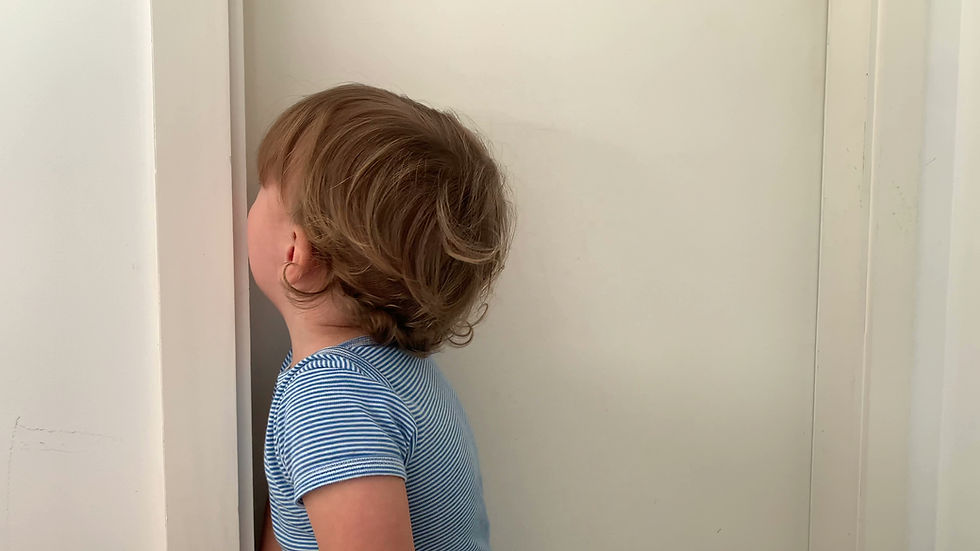
What’s Going on Inside Your Toddler’s Mind?
At around two years old, toddlers start to discover their independence. Suddenly, your little one is climbing everything in sight, from sofas to tables, and testing limits at every turn. They want things to happen their way and on their time. But they don’t yet have the tools to make it happen, and that’s when things get tough—and tantrums begin.
Here’s the thing: toddlers realize they’re still totally dependent on you, and they’re not thrilled about it. This realization can feel frustrating because it clashes with their desire for independence.
Until now, their needs were met almost instantly:
Hungry? Someone fed them.
Tired? Someone put them to sleep.
Want to play? Someone played with them.
But now, they’re asking for more—and they want it now. When they can’t have something, whether it’s because it’s unsafe, inappropriate, or simply inconvenient, frustration kicks in. And you know what? That’s okay. It’s part of their development.
In fact, these moments of frustration are valuable—they help toddlers learn about limits and boundaries. That’s life! However, every time we try to control their behavior, they feel like we’re taking away their newfound independence.
The 2Rs Solution: A Game-Changer for the Terrible Twos
The best way to minimize tantrums and make daily life more enjoyable is by establishing a consistent routine. Toddlers thrive on predictability—it helps them feel secure and know what to expect.
Here’s my go-to strategy for navigating the terrible twos: the 2Rs Solution—Repetition and Routine.
Repetition. Toddlers learn through repetition. When you consistently follow the same steps for daily activities, like bedtime or mealtime, they begin to anticipate what’s next. For example, if bedtime always starts with a bath, followed by a story, they’ll start to settle more easily.
Routine. A predictable routine gives toddlers a sense of control in their day, reducing the unpredictability that often triggers meltdowns. Knowing what’s coming next makes them feel more comfortable and secure.

How to Create a Toddler-Friendly Routine
Start by writing down a schedule that works for both you and your little one. Be sure to include time for:
Play: Allow them to explore and burn off energy.
Rest: Naps are non-negotiable for recharging.
Downtime: Quiet moments help them unwind.
Consistency is key. Stick to your routine as much as possible, and over time, you’ll notice fewer tantrums. As your toddler gets used to the predictability, they’ll feel more secure—and your days will be much smoother.
Embrace the Chaos
Parenting through the terrible twos isn’t easy, but it’s an opportunity to lay the foundation for trust and structure. With consistency, patience, and the 2Rs Solution, you’ll not only survive this phase—you might even enjoy it (most days).
And when all else fails, remember this: This too shall pass. Cheers to that!
Sample Routine
Creating a simple and consistent routine can make all the difference for your toddler (and you!). Here’s an example to get you started:
Morning:
7:00 AM: Wake up, cuddle time, and breakfast.
8:00 AM: Playtime or independent play while you prepare for the day.
9:30 AM: Outdoor time (a walk, park visit, or backyard play).
Midday:
10:00 AM: Snack time.
11:30 AM: Structured activity (storytime, puzzles, or crafts).
12:30 PM: Lunch time and nap.
Afternoon:
2:30 PM: Indoor play (blocks, sensory bins, or role play).
3:00 PM: outdoor time or free play
Evening:
5:30 PM: Dinner time with family.
6:00 PM: Calm activities (reading, drawing, or a simple game).
7:00 PM: Bath time to signal the end of the day.
7:30 PM: Storytime, cuddles, and bedtime routine.
Tips for Flexibility:
Adjust nap and mealtime to suit your toddler’s natural rhythms.
Incorporate time for their favorite activities to keep the routine fun.
Don’t stress if things don’t go perfectly every day—consistency over time is what matters!


Comments